
One of the things we generally recommend is diversifying your crops across different varieties. We have a perfect real world example to show you as to why that’s a good idea.
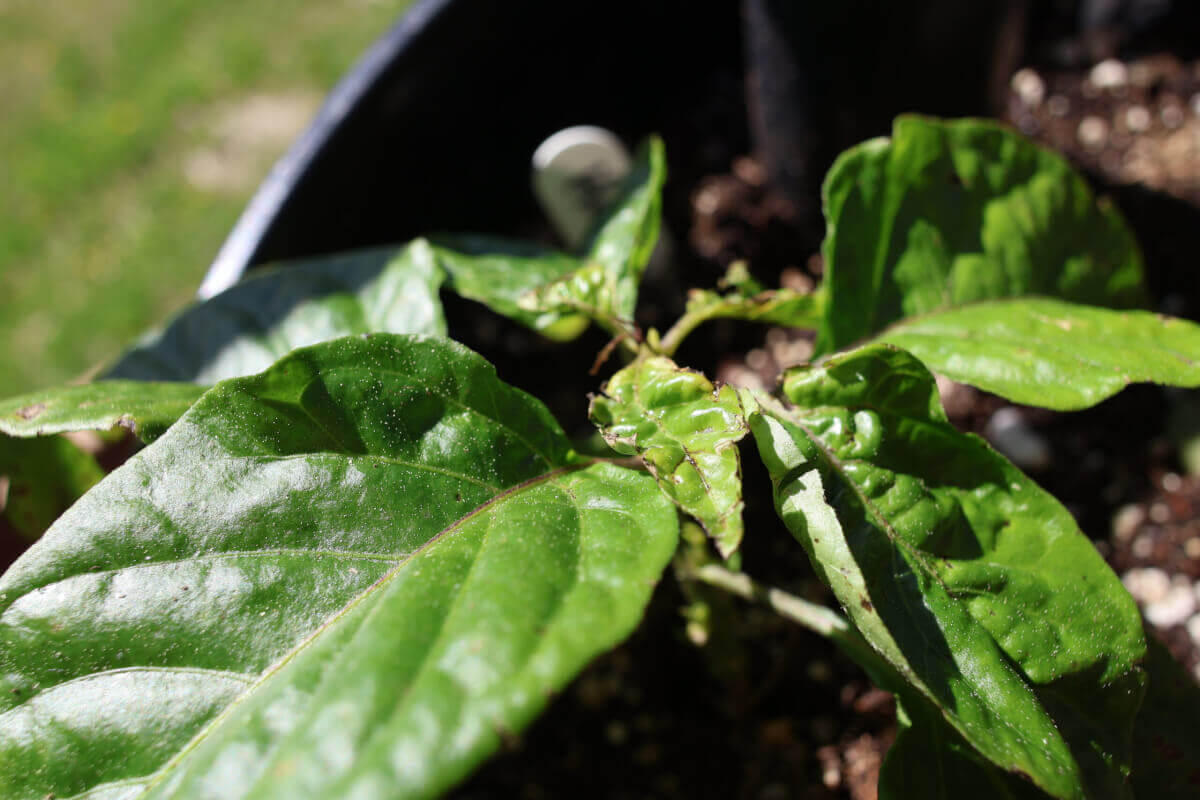
If you remember, earlier in the season we were lamenting about how we got aphids on our pepper plants. Indoors, before we’d even gotten them outside. They kind of kicked our butt, indoor aphids are no joke when there’s no natural predators or rainfall to knock them off the plants.
Well, thanks to heavily diversifying our pepper crops, only some of them were actually hit by aphids. Many of our varieties were completely unphased, whereas others were much more “aphid magnets.” Notably, most of our F1 varieties were the ones that escaped entirely unharmed. (We had a great discussion about F1 types and genetics awhile back!)
The types of problems that can affect certain varieties over others go well beyond just pests. There’s differences in water sensitivity (too much or too little), weather patterns (cooler vs. warmer) and even soil differences can be preferred by certain varieties over others.
Honestly, it can be difficult to “know” these differences, just based on a given variety. It’s not like those unphased peppers were marketed as “aphid resistant” or anything like that. But, in general, growing more than one variety of plant types spread the potential risk of any given thing. In some cases, like with pests, a certain variety might “draw” those pests away from your other plants. (And, raising “sacrificial plants” to deal with aphids is a solid strategy.)
So, this gives you a good example of why we practice growing a number of different varieties. It’s not only for diversifying our crops a bit, but also to spread various risks out.
We are hoping that our aphid troubles are over, but time will tell. We’ve found that we don’t have these problems at major scale once we get our plants outside. Between having natural predators, wind and rainfall/top watering, those aphids have a lot more to contend with. Our plants that took a beating look “decent enough” at this point, but they definitely got set back a bit. We’re just glad it wasn’t our entire crop!
