
Listen To This Article!
This is one of those topics that very few gardeners actually talk about!
If you look at practically any seed packet, or research information on how to grow something from seed, you’ll find very specific stated requirements.
You’ll often see highly specific instruction like “germinate at 65 degrees Fahrenheit” in “loose, loamy well draining soil” and expose to “12 to 14 hours of light.”

The next seed packet you look at might have slightly different instructions!
You might look at that and think you need ten thousand different growing techniques!
This article will explore the more practical side of growing from seed and hopefully teach you that those specifics aren’t all they are cracked up to be!
Growing Is A Well Known Science
For context, it’s important to understand that the practice of growing is very well known. We’ve been practicing agriculture for literally thousands of years.
And, we’ve gotten pretty good at it!
To the point where we know the ideal growing parameters for practically every biological plant. Especially those that are commonly grown for food production purposes.

For an example, let’s say that you’re a farmer that is exclusively growing cabbages. You probably want to know every ideal aspect on that plant’s lifecycle.
In that scenario, you need to specialize in that plant’s seed germination, the nutritional needs at different stages of life and generally be an expert across every aspect of that plant.
But, there’s a vast divide between the ideas of “ideal” and “what actually works.”
The unsuspecting grower might not immediately realize that the average gardener does not need to be that precise!
The Confusing Landscape Of Seed Packet Instructions
We’ve looked at a few seed packets over our decades of growing food and flowers. Perhaps a few thousand.
Some are very specific, some very generic.
But, in general, every seed packet is going to provide you with some sort of guidance of growing that particular seed into a full plant.

You see, we’ve been growing plants long before the advent of the internet, YouTube and other modern day amenities that satisfy the quest for knowledge.
The back of the seed packet has long been the “gold standard” that aided the grower to get the desired produce from seeds.
Usually, this guidance includes at least some of the following information:
- When to germinate the seeds
- Emergence time (time to germination)
- Sowing depth
- What type of soil to use
- How much light to provide
- Germination temperature
- Seed spacing information
- A narrative about the plant
- Sometimes other information
But, there’s just no technical standard that governs those instructions.
You’ll even find that seed packets from the same manufacturer can have varying degrees of quality and will present many different methodologies to the potential grower.
Then, when you start mixing seed packets from other providers, the permutations can really get astronomical!
But, worry not, as there’s quite a lot of runway that the grower has to work within!
Instruction Unclear, How To Interpret Seed Packets
As mentioned above, you’ll see a lot of different guidance and variables. We’ll discuss those major instruction points and talk about the leeway the grower actually has.
Temperature Of Germination
Though you may see specific temperature ranges for germination provided, the values provided are usually for the optimal (or fastest) germination rates.
But, most seeds will germinate in a rather large range of temperatures.
In general, we recommend a germinating between about 60 and 80 degrees Fahrenheit. (15 to 27 degrees Celsius) As long as your growing space is around that, you should be OK for the majority of seeds.

Some seeds will germinate in much cooler or warmer temperatures.
For example, a lot of brassicas can technically germinate in temperatures around 40 degrees Fahrenheit.
But, those extremes usually greatly impact the germination time. It’s also important to recognize that some seeds will simply not germinate in those more extreme temperatures.
Very, very few seeds require extreme temperatures for germination. Plants such as Columbine and Larkspur require cooler germination temperatures. But, these are the exception and not the norm!
Seed Sowing Depth
While seed packets often provide a general sowing depth, there’s a better method gardeners can use.
In general, the depth you sow the seed should be about twice the width of the seed.

So, for example, if the seed size is about 1/8 of an inch, you’d sow it at 1/4 inch.
If the seed is super tiny, it’ll require very little soil above the seed. Or, what’s called a surface sow!
For larger seeds, like legumes, if the seed is about 1/4 of an inch, you’ll sow at about a half inch.
This “rule of thumb” works so much better than following all the specific instructions!
Amount Of Light To Provide Seedlings
This is one of those areas you’ll see vast differences in instruction. Everything from 6 hours a day to 16+ hours a day.
In general, we recommend a singular light schedule, somewhere between 10 and 16 hours per day.
More light will translate to more photosynthesis, which results objectively better growth.
We generally target 14 hours a day, a good balance between energy savings and high growth rates.
Types Of Soil To Use
You’ll also likely see a lot of variability here, too. There’s a lot of words to describe soil!
In general, any decent potting soil that has a decent amount of “fillers” in it (such as vermiculite, perlite, sand and so on) will be acceptable for seed germination.
In pretty much all cases, we’re looking for a soil that drains well. We don’t want it to hold onto a lot of water as that can greatly impact seedlings.

A good rule of thumb for a good germination soil is one that will clump together when compressed, but very easily break apart with little effort. You can test this with your hand’s grip.
What’s far more important, especially in seed germination, is the use of clean, disease and fungus free soils. Many soils don’t undergo sterilization and a fungal infection can quickly compete (and even kill) your seedlings!
You can purchase ready made seed starter mix or even make your own. These soils will typically be mostly sterile and will reduce the potential problems the grower may experience.
Direct Sow vs. Indoor Sow
Since we’re a northern garden blog, we’d be remiss to not provide insight on this one.
For quite a few seeds, you’ll see direct sowing instructions. That’s not always possible or desirable when growing in the subarctic.
In many cases, we don’t have the growing season to do that or the timing provided is just non-sensical when you still have feet of snow on the ground.

We grow many typical “direct sow” plants indoors, counter to the instructions. Many plants which are reported to “not do well with transplanting” are actually just myths.
You might also be able to practice either or both indoor sowing and direct sowing. Whether this is practicable is highly dependent on the type of seed and your desired goals.
Our indoor sowing schedule shows what we do and don’t direct sow. So, if you’re looking for quality northern guidance, this is a good place to start!
What You Really Need To Pay Attention To With Seed Packet Instructions!
So, we’ve covered the things you have a lot of flexibility with. That covers the overwhelming majority of variables involved with growing from seed.
However, there are some critical things you need to look out for on seed packet instructions!
Special Seed Treatment Instructions
Some seeds require special treatment prior to sowing them.
You might see instructions to soak the seeds in water for a period of time. Or perhaps to practice scarification, which is to gently score the seed prior to sowing.
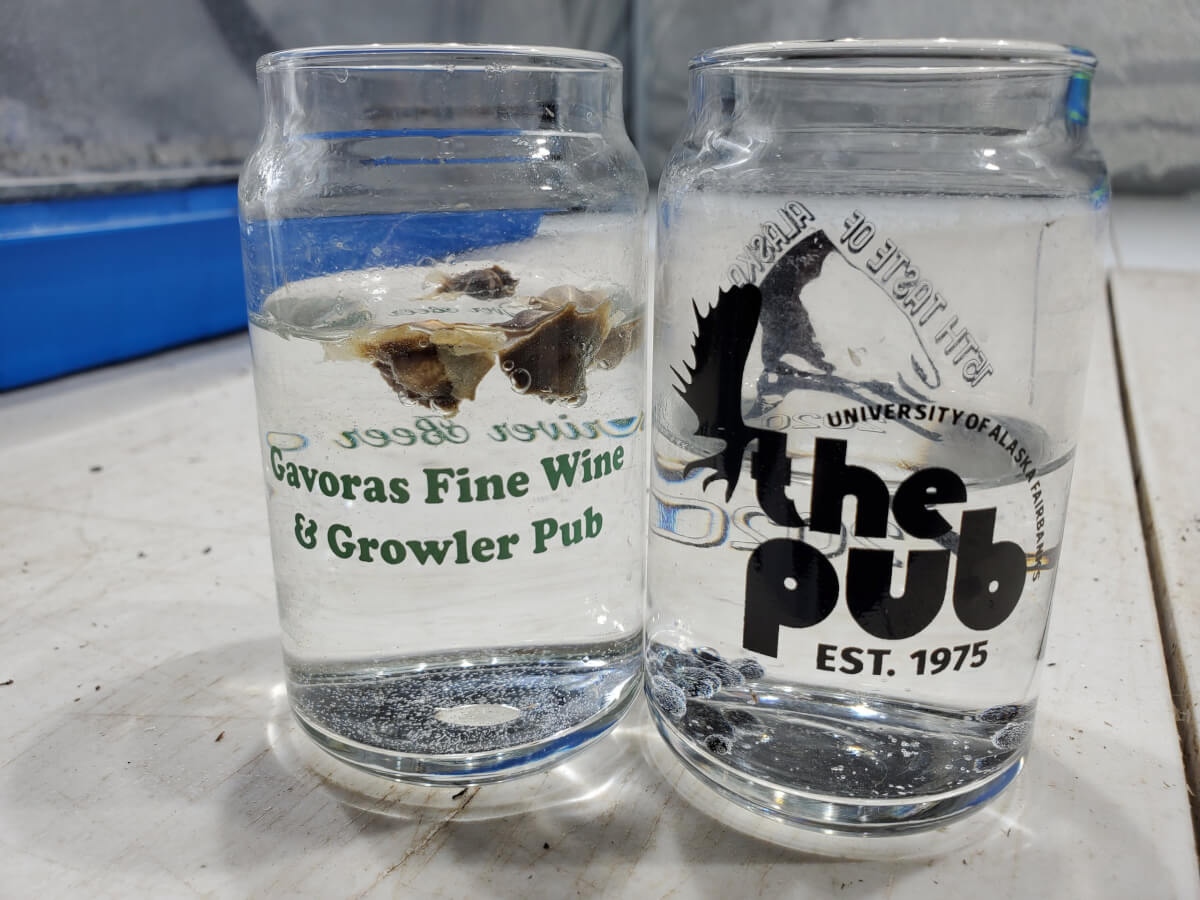
For a several cold climate flowers, you might see what is called cold stratification. This is the practice of simulating a winter for the seed.
In general, we recommend following these practices. These are designed to improve germination and is generally good advice to follow.
Surface Sowing
You’ll only see this with exceptionally small seeds, the tiniest of them all.
Surface sowing is the practice of simply placing your seeds on top of the soil. You don’t cover those seeds with soil, at all.
When you see very tiny seeds, always check the seed packet to see if it calls for a surface sow.
This is an important practice as the seed often doesn’t have enough “oomph” to push through barriers of soil.
Broadcast Seeding
Sometimes you’ll see instructions about broadcast seeding. This is basically the practice of scattering seeds across the soil.
Whether you follow this or not might depend on what you’re growing and your desired goal.
For example, you might want a cluster of green onions. Or, you might be growing ornamental grass and desire a cluster of that grass.

But, in some cases, you can outright ignore that advice. Like with those green onions, you can certainly raise each plant and seed individually, too.
With the ornamental grass, you probably don’t want to be bothered with growing each blade of grass individually!
So, you often have flexibility in whether you will or won’t practice broadcast seeding.
Seed Spacing & Seed Packet Instructions
You’ll often note that the seed packet provides general guidance on spacing requirements.
This usually involves the sowed distance between each seed and also the distance between rows.
What’s important to understand here is that there are a number of different growing techniques and styles.
That spacing is important, but what it actually looks like in your garden may be different depending on what styles of gardening you’re practicing.

For example, in a traditional row garden, you might want to practice those instructions to a T.
But, if you practice intensive growing techniques like Square Foot or French Intensive gardening, you’re likely going to heavily modify that spacing.
What’s most important about these instructions is that it’s telling you how large the plant will get and how much space it needs.
Some plants can tolerate very close spacing, some simply cannot!
Essentially, you want to follow the “spirit of the spacing guidelines” but you don’t have to follow them super precisely.
Integrating Germination Into Your Methods
We’ll close out this topic by discussing the value we’ve found in pursuing singular germination techniques.
As we discuss elsewhere, we have a defined germination and plant raising technique.
We use seeding trays for initial germination and then transplant those seedlings to an appropriate sized container for further growth.

We’d encourage the reader to pursue such a methodology. It’s very helpful to have a clear, single method of growing plants from seed.
Hopefully, with the above information, you’ve recognized where you do and don’t have flexibility.
You simply don’t need to develop a multiple methodologies to handle all the seed germination instructions you’ll encounter!
Growing Is A Matter Of Imprecision
We often discuss these concepts in our germination related blog posts, so we figured it was important to have a reference article that provides more depth.
Our goal is to help our readers achieve simpler and clear methodologies for raising plants from seed. Everything we’ve discussed here achieves that end.
Hopefully you’ve found it helpful!
As always, if you have any questions or comments, we warmly welcome them down in the comment box below!
That’s All We Wrote!

Having a good time? Learn something? We have an ever growing list of insightful and helpful subarctic & cold climate gardening articles, just like this one!
- Cold Climate Gardening Basics 👉
- Growing Your Garden From Seed Indoors 👉
- Advanced Cold Climate Gardening Techniques 👉
- Plant Specific Cold Climate Growing Guides 👉
- Subarctic Perennial Food Forests & Foraging 👉
- Indoor Garden Lighting & Grow Rooms 👉
- Greenhouses & Temperature Control 👉
- Harvesting & Food Preservation 👉
- Solving Cold Climate Garden Problems 👉
- 700+ 1 Minute Reads 👉
- 180+ Gardening Topics! 👉
FrostyGarden.com is 100% ad-free, junk free and we do not use affiliate links or sponsorships! This resource is voluntarily supported by our readers. (Like YOU!) If we provided you value, would you consider supporting our mission?