
Listen To This Article!
If you’ve spent any time around our content or social media, one of the things you know is that we heavily utilize container gardening in our northern growing efforts.
The primary reason behind this is that containers allow very rapid soil warming in our extreme northern climate. We’ve come to the conclusion that this is as important, if not more so, than warmer ambient air temperatures.

As such, we have many articles here that discuss the basics, our methods and various topics around container gardening.
Over the decades of growing food in containers, however, we’ve come to a number of more advanced solutions and methods that help solve some of the underlying issues with growing plants in containers.
This article will focus more on these more advanced topics when it comes to growing food in containers.
Solve The Irrigation Problems With Container Gardens
One of the biggest challenges of growing in containers involves water. Most plants need a lot of water to maintain their health.
Containers, however, highly limit the root systems of the plants we grow in them. It’s important to provide our plants with adequate amounts of soil, however, there are limits to how practical this can be.

No matter what we do, we cannot recreate the ground. These limitations ultimately limit how deep and wide the plants can reach for water.
Developing a strategy for keeping the container garden well irrigated is essential to the sanity of the grower. Remember, your labor is also a limiting factor.
There are several ways to approach solutions to this issue. Examples include:
- Automated drip irrigation
- Hydroponic based systems
- Sub irrigation methods with centralized reservoirs
- Flood and drain of reservoirs
- Gravity based systems
- Timer based system
There are certainly other ways to solve irrigation of container gardens, of course. But, we’d encourage the advanced container gardener to pursue methods that don’t rely on the gardener themself.
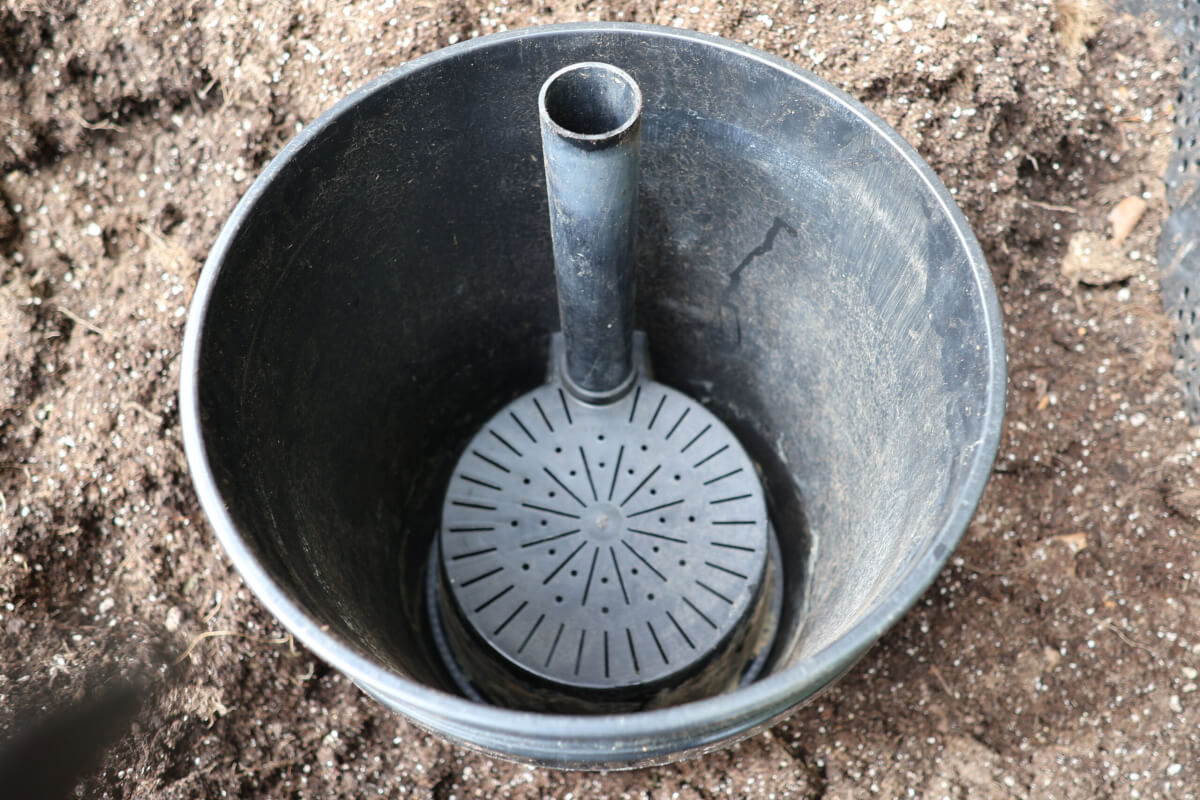
For our gardens, we heavily rely on the theory of gravity. Though still a theory, it’s the most reliable thing we have. It beats electricity, pumps, technology and countless other ideas.
When the container garden’s irrigation is well thought out, it can really begin to excel as a gardening solution. Without it, the container garden is labor intensive and will likely experience frequent droughts.
Develop A Thorough Nutritional Strategy
In the same vein as water access, the same factors also work to limit the nutritional uptake by plants within the container garden.
When the soil becomes exhausted of nutrients, the plant can’t simply grow more roots to get more food.
What this means is that the nutritional strategy used on the container garden is important. It’s usually not enough to add a bit of compost and call it a season.
In our container gardening practices, we’ve determined that the use of fertilizers is absolutely critical. While we have our opinions on organic vs. inorganic nutrition, the debate doesn’t functionally matter for this purpose.
This is also one of the reasons why we’ve heavily favored water soluble fertilizers. Reapplication of the fertilizer is much easier, whereas granular fertilizers require top dressing and natural drainage into the root structure.
Furthermore, what we have found to work well is the continual application of these fertilizers. Single application fertilizers will have a tendency towards certain nutrients being used heavily, while others go less used.

The uptake of nutrients by the plants is outside the control of the grower, so an imbalance of NPK and micronutrients is inevitable. We’d argue having too much of something is a better outcome than occasional droughts of critical nutrition.
The grower can solve this through regular applications of fertilizer, typically based around the manufacturer’s application rates. So, as an example, if the plant draws down the supply of nitrogen, it will be readily replenished.
When you develop solid, continual nutritional strategies, the container garden can truly excel. Plants have what they need, when they need it.
Correct The pH Of The Soil
One of the things we’ve observed with long term use of container gardens is the tendency for them to run acidic.
We’ve studied and discussed this topic extensively, resulting in a hypothesis that it’s likely common to see pH imbalance in the container garden.
The primary reason is the isolated (or contained) nature of container garden soil. The typical natural systems that help balance a more ideal pH are not able to work at the same level as they do with in-ground gardens.
This problem is further exacerbated if you grow intensively in containers, like we do. Even more so if you re-use soil from season to season, despite attempts to “reinvigorate” it with new compost.

As such, we’ve found it to be a beneficial practice to use pH buffers to “correct” the pH of water and water soluble fertilizer additions.
The goal here is to correct the pH of the inputs into the system, which will help the soil arrive around that desired pH. Most plants prefer slightly acidic soils, typically around 5.8 to 6.5.
Though soil pH outside of “ideal” will still be adequate for growing plants, it can start to introduce nutrient uptake issues. If the goal is to achieve optimal plant growth with limited root structure, then the grower must also focus on optimal nutritional uptake.
Supplement Beneficial Bacteria
One of the things that has become much more profound to us as long term container gardeners is the “containment” aspect of container gardening.
As we thought about this more and more, the potential impacts of soil isolation are immense. An important example of this is beneficial bacteria and the general microbial health of the soil.
Given that container garden soil is isolated, the introduction and replenishment of beneficial bacteria and microbes is virtually non-existent. Those bacteria aren’t climbing the wall of your container and diving in!
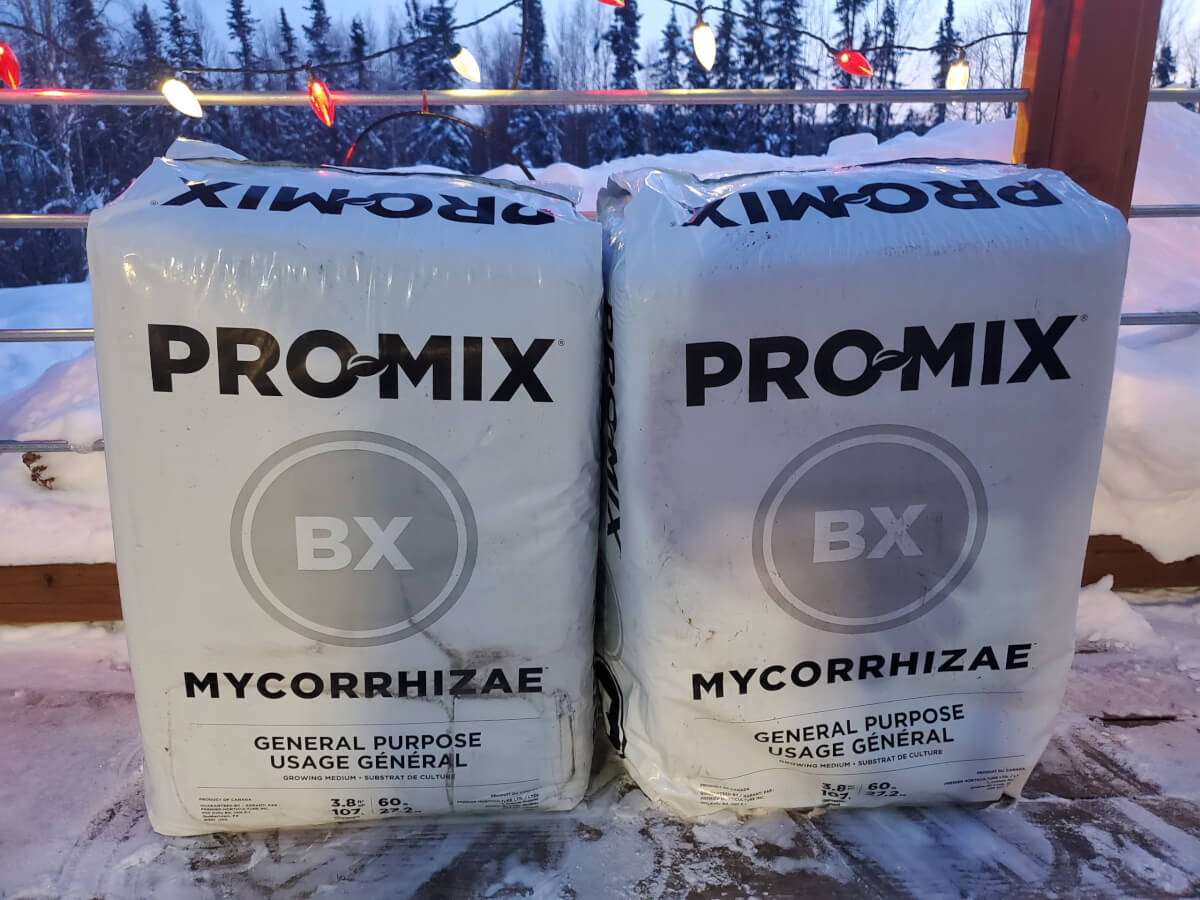
One of the methods the grower can employ improved microbial health is by focusing on mycorrhizae. You can introduce this into your soil through potting soils, but there are also soil based supplements that add it as well.
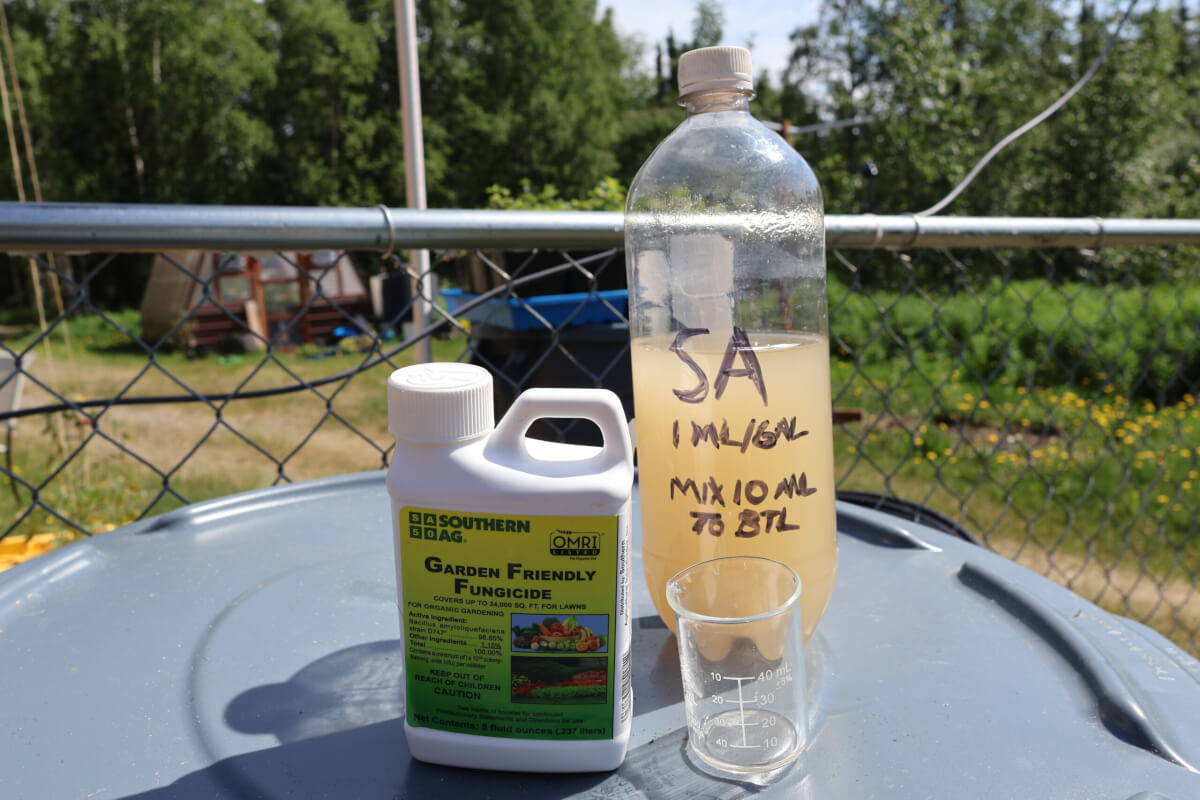
We also practice supplementation of other soil bacteria, particularly through commercially available products like Bacillus amyloliquefaciens. This bacteria is introduced through either watering or during the application of water soluble fertilizers.
This is a beneficial bacteria in your soil all ready. It’s naturally occurring. We’re simply talking about increasing their numbers within the container garden’s isolated environment.
If one does a deep dive into Bacillus amyloliquefaciens, you’ll find it’s almost a “wonder bug.” It works to prevent disease, acts as a plant growth stimulant, it improves plant stress response and can inhibit soil pathogens.
While it’s likely impossible to fully simulate supplementation of all natural bacteria, there are many benefits to supplementing some.
The gardener is working with natural processes, but that gardener can also aid those natural processes to be more thorough and effective.
Get Your Plant Counts Right
When trying to grow intensively in containers, getting the “right” plant counts for your container’s size is of understated importance.
With only “so much” soil available to the plants, plant competition has potential to reduce the growth rates and potential of all the plants within the container based growing system.
Yet, it’s often optimal to grow more than one of any given plant to fully optimize both the growing space and the use of soil.
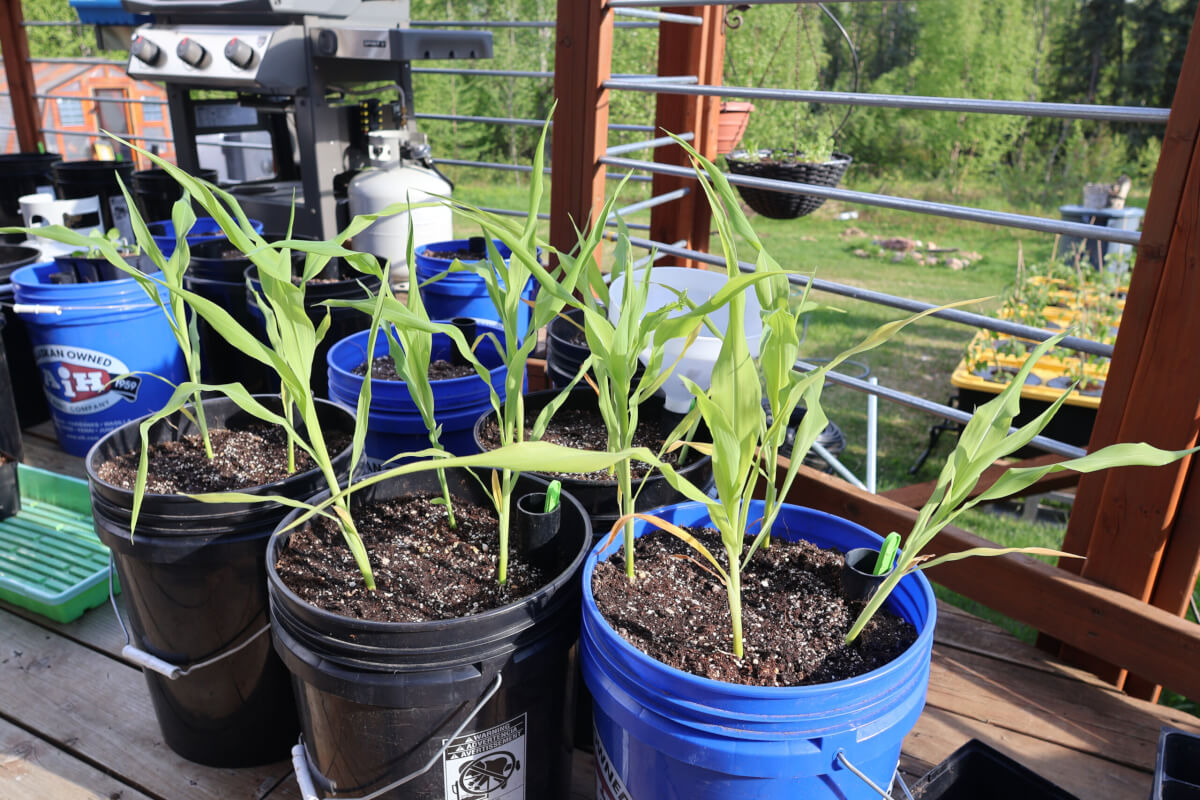
The point is, this is a careful balance. While there are “sort of” guidelines, like perhaps square foot gardening, the container garden is also a very different environment from where square foot gardening is typically practiced.
Ultimately, we’ve found huge benefits by adjusting plant counts that we grow in a given container. There is not a singular set of guidance here. Sometimes more is less, sometimes less is more.
We encourage the container grower to experiment with and adjust plant counts, possibly even going so far as to “test” different levels of growing intensity within a season.
You can see our experiments in our image above. We tried two, three and four corn plants in a 5 gallon bucket.
What you’ll likely find is that for each major genus of plant you grow, there are an “optimal” number of plants that allows “complete consumption” of the soil, without contributing to too much competition.
Understand Your Plant’s Root Structures
When it comes to in-ground gardening, the grower often has no clue of what the plant’s root structure looks like or how large it is.
There are “rough” guidelines, such as the plant’s roots being approximately the same size and depth as the plant is wide and tall. But, that’s not universal.
One of the advantages the container gardener has is the ability to inspect the plant’s roots upon plant removal. This allows the inspection of soil utilization and compaction of those roots.
An optimal container grown plant will completely consume the soil it is given. This allows the plant maximum access to water, nutrition and growth potential.
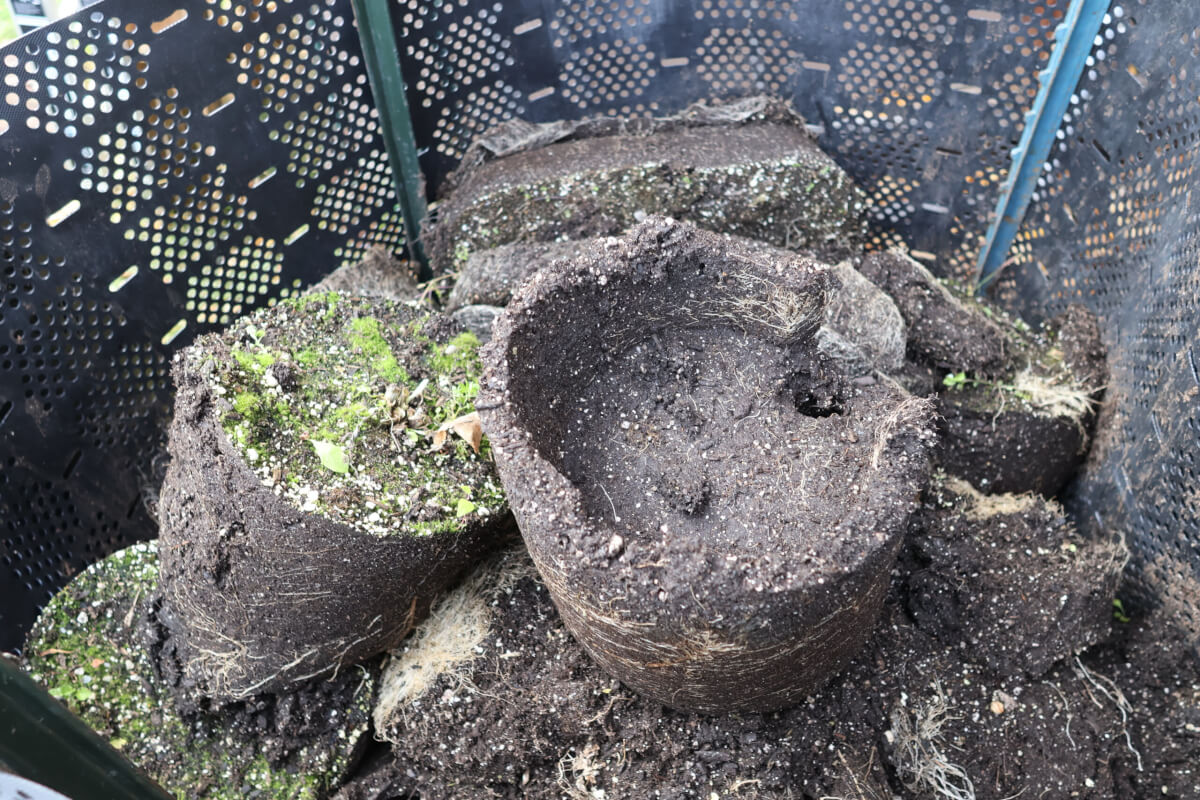
Knowledge of this topic can also help form perspective on plant counts, as discussed above.
When you understand how a tomato grows, you understand why only one tomato should be grown in each container. You also understand why a given container might support 6 to 8 bush beans.
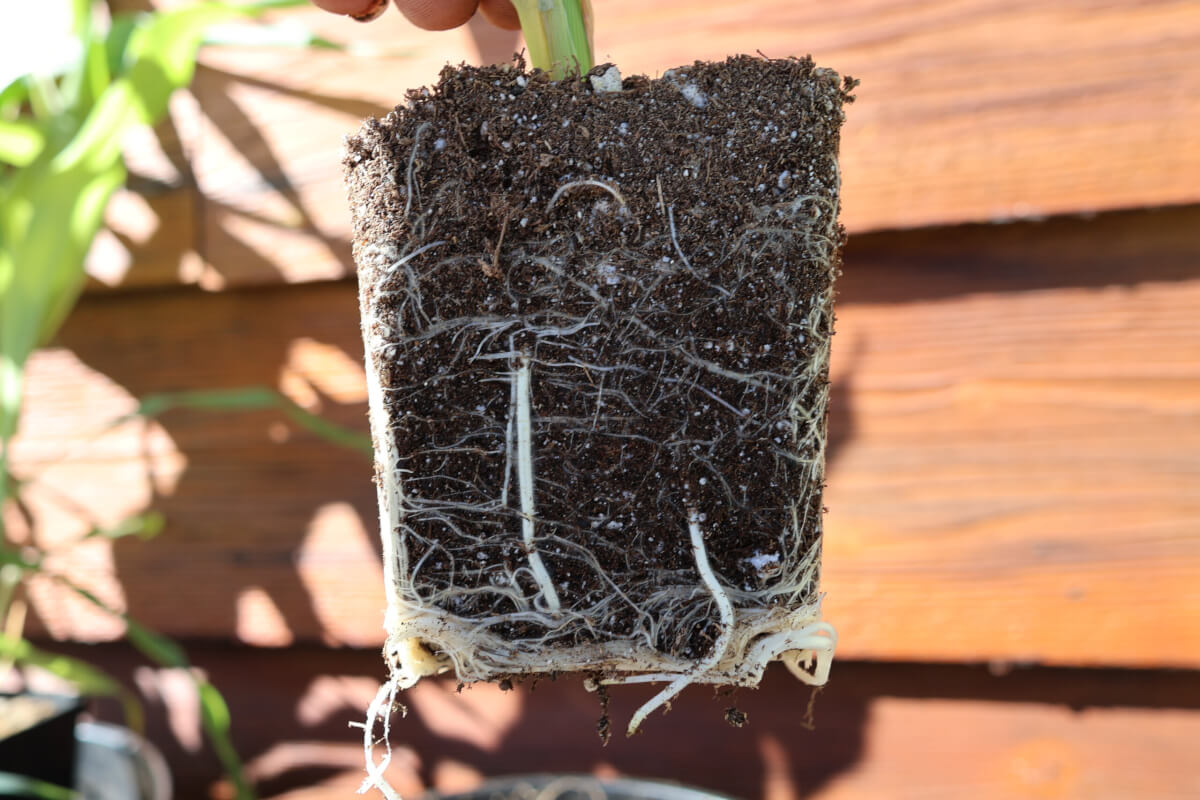
Some species will simply root lightly. So, complete consumption of the soil isn’t “always” the goal.
If you observe extreme root compaction, this tells the grower a few things. For example, the plant will need heavier amounts of water. It will also need heavier levels of nutrition. It will also likely benefit from more soil.
Whereas if you observe light rooting, this is telling you that less water and less nutrition will likely be needed. It might also tell the grower that there’s room to grow more plants in that same soil.
Develop Good, Long Term Practices With Your Container Garden Soil
As we’ve discussed here and elsewhere, we practice the re-use of our container garden soil from season to season.
The container garden is different from the typical in-ground garden or raised bed. Supplementation of things like compost isn’t as obviously done in the container garden.
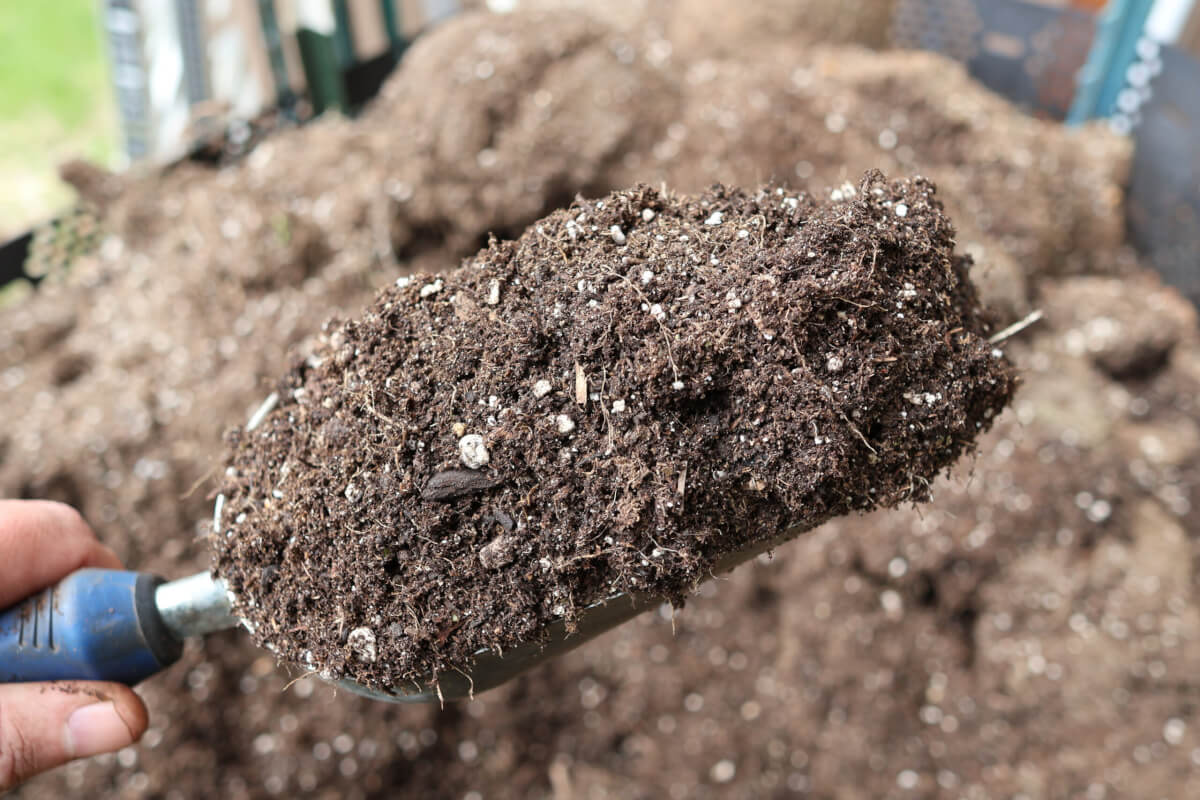
But, that doesn’t make the practice any less important.
We remove our plants from our containers each season, piling up the soil for the winter months. This allows for a few beneficial things:
- Rain or snow melt can “wash” the soil
- Natural “bulk” build up of natural microbial soil systems
- The composting of root structures
- A simulated “crop rotation” strategy
- Evening out of residual NPK
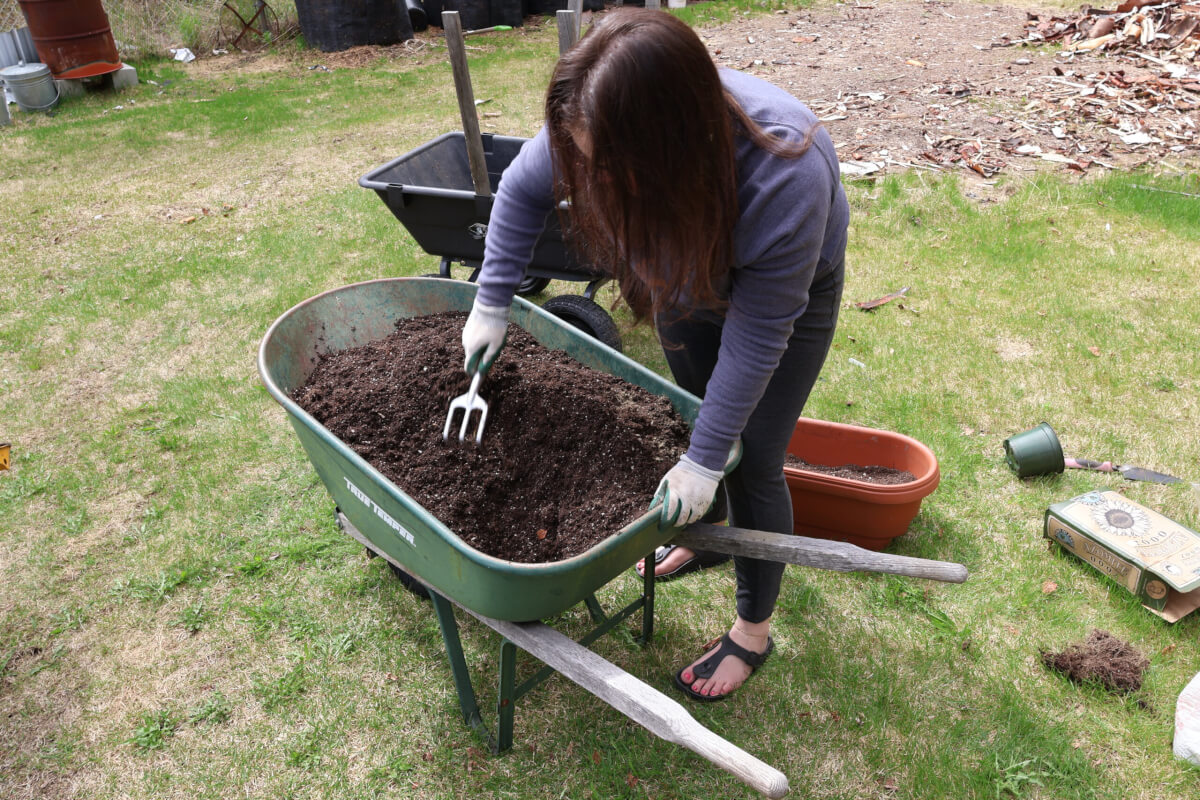
In the spring, we practice the addition of compost during our container filling process. We simply mix compost in with our re-used soil, typically in a wheelbarrow, prior to filling our growing containers.
The grower can also amend the soil with additional additives at this time. Examples could be a granular fertilizer. But, it might also be the replenishment of things like perlite, sand, vermiculite coco coir or peat moss.
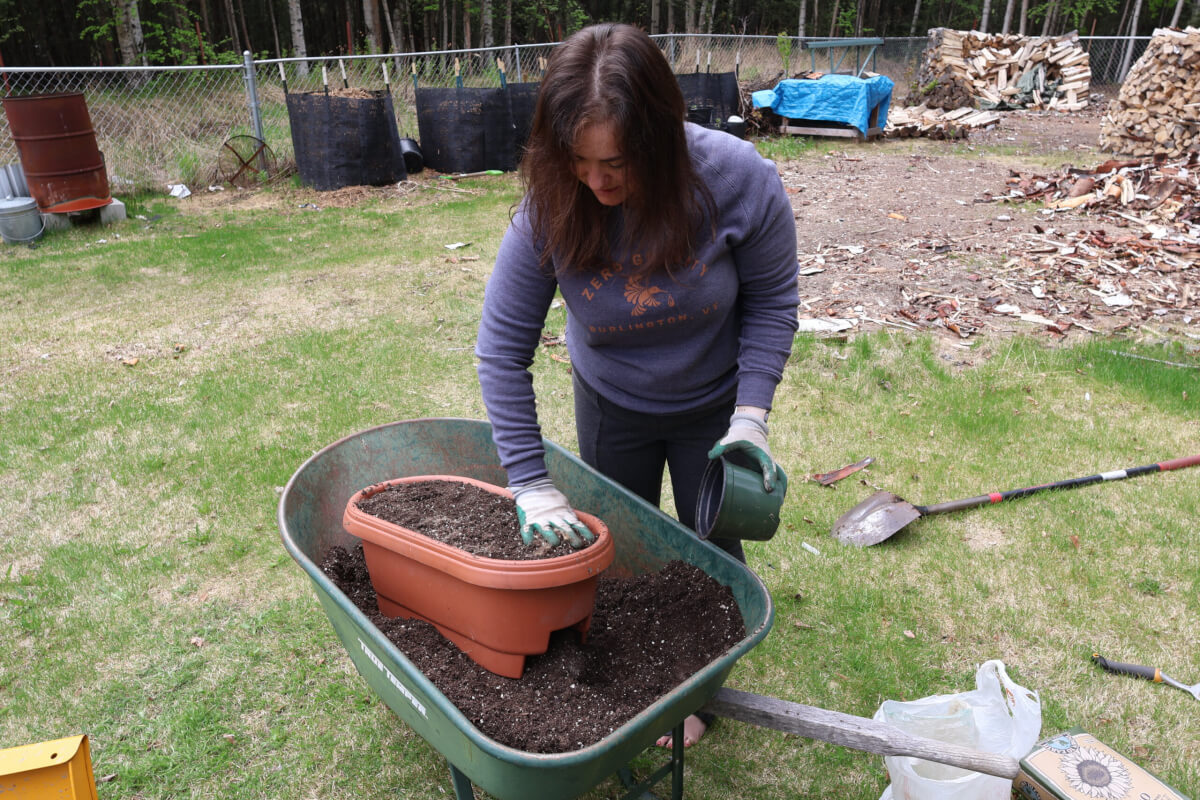
We look at our container garden soil as a long term investment. It was expensive to make, so it’s a good idea to take care of it.
The concepts used within in-ground or raised bed gardens aren’t any less relevant to the container garden. If anything, they’re more important, since you have less “natural systems” aiding you with contained soil.
Develop A Cost-Of-Operation And Usage Strategy
There’s little doubt that container gardens can be slightly expensive to get into. Between the container cost, irrigation costs and especially the setup/teardown labor involved with a container garden.
For us, that implies that a given crop has to be “worth” growing in this more expensive growing method.
Getting value out of a container garden means utilizing its benefits to the maximum extent possible. The plant(s) grown with the method should benefit the most from that method.
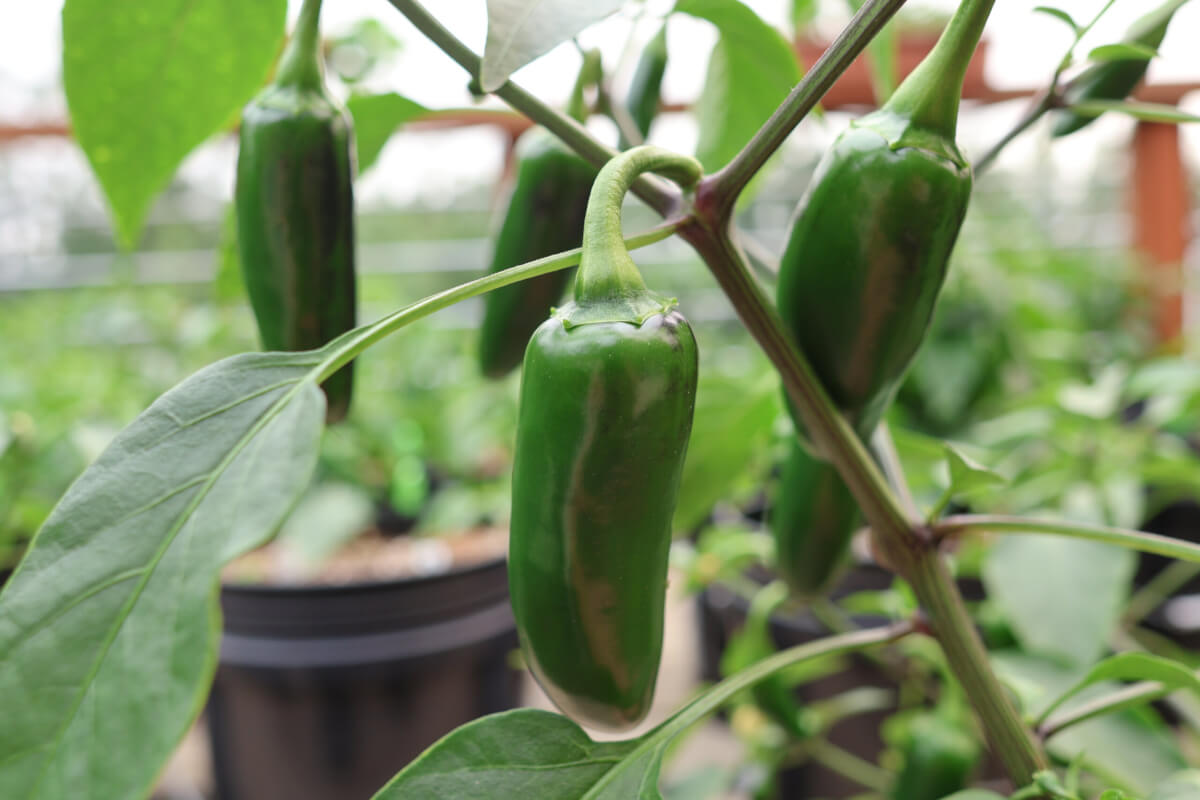
Certainly, almost any crop can be grown in containers. The real question is, should it?
Examples of our container utilization strategies?
- High value fruits (like tomatoes, peppers and cucumbers) benefit from soil warmth
- Herbs are high value, moderately benefitting from soil warmth
- Corn highly benefits from warmer soils, aiding in maturity, earlier tassle/silk production and thus, more complete pollination
- Beans highly benefit from warmer soil temperatures, therefore the container garden increases our production
- High rotation crops like radish or bok choy don’t fully utilize the soil or benefit from the soil warming characteristics of the container, so we don’t grow these crops in containers
For us, even though we could grow “less valuable” crops like lettuce in a container, we’d prefer to grow these crops using less expensive growing techniques.
Short season, or short cycle, crops are another example. If the crop’s growth results in excessive “down time” for the growing container, we’re not getting value from it. That growing space is better served by a “full season” crop.
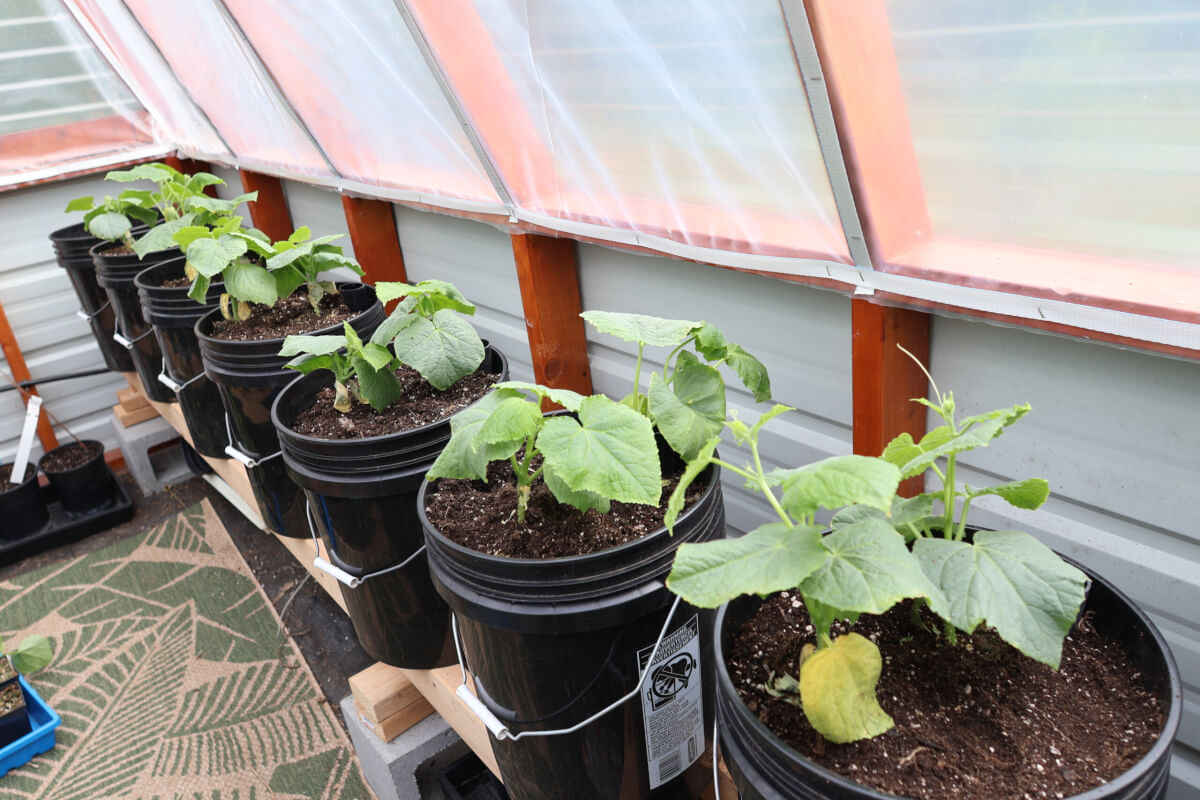
This concept of “crop value” is highly personalized, though. Our perception of value can be very different from your perception of value. There isn’t a single viewpoint here.
The point is that matching crop value to the cost of operation helps maximize the cost benefit of the container garden.
Build It Once, Build It Right
We’ve been growing veggies and herbs in containers for most of our gardening history. Even before we were growing in the far north.
Once we had established that container gardening was going to be a solid part of our northern growing strategy, we didn’t cut any corners.
We purchased exactly the system that we wanted. We didn’t try to save a buck or make any concessions about the equipment or systems we wanted to use.
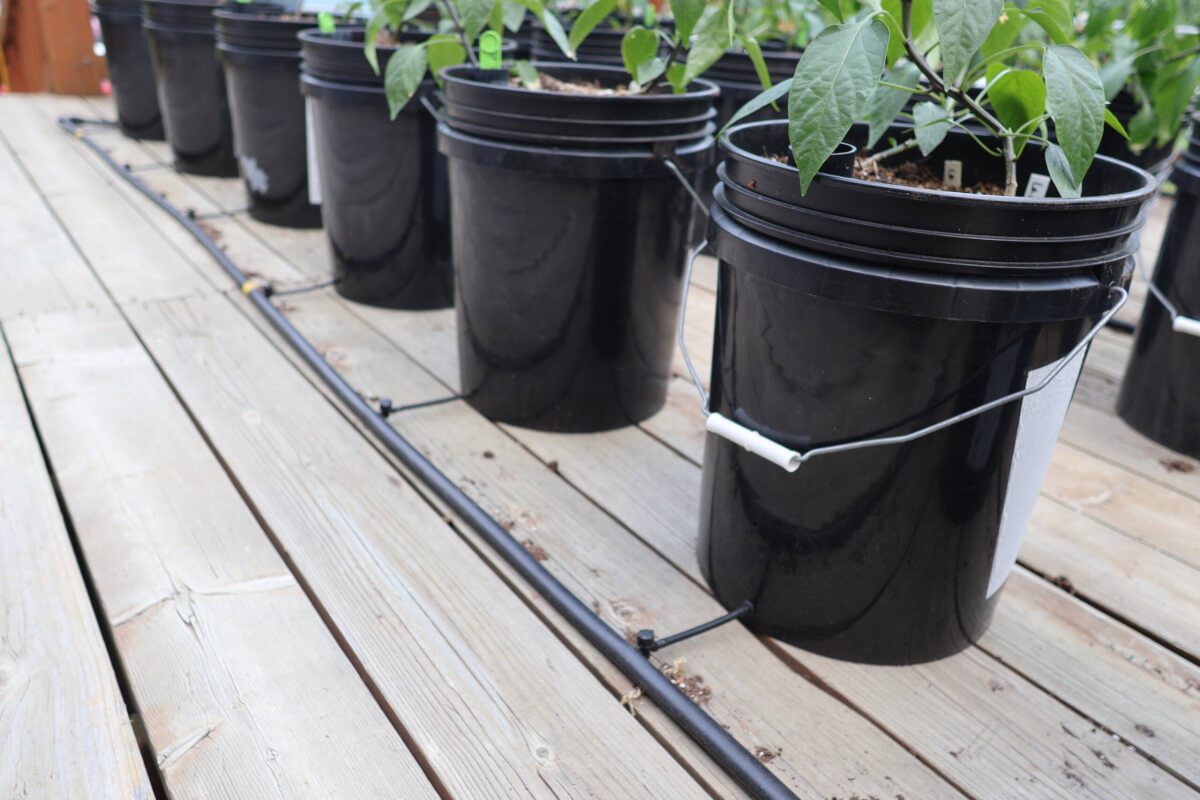
Now, we weren’t “reckless” about it. We purchased our current container garden systems in phases. At first to be certain it was the system we wanted. But furthermore, to distribute costs over time.
We’ll tell you, we are really happy with our choices for our container garden. We pretty much set it up in the spring and it’s on autopilot for the entire growing season with minimal inputs.
Yes, it’s a lot of work to set up and tear down. But the cost of the system has no bearing on the work involved with operating a container garden.
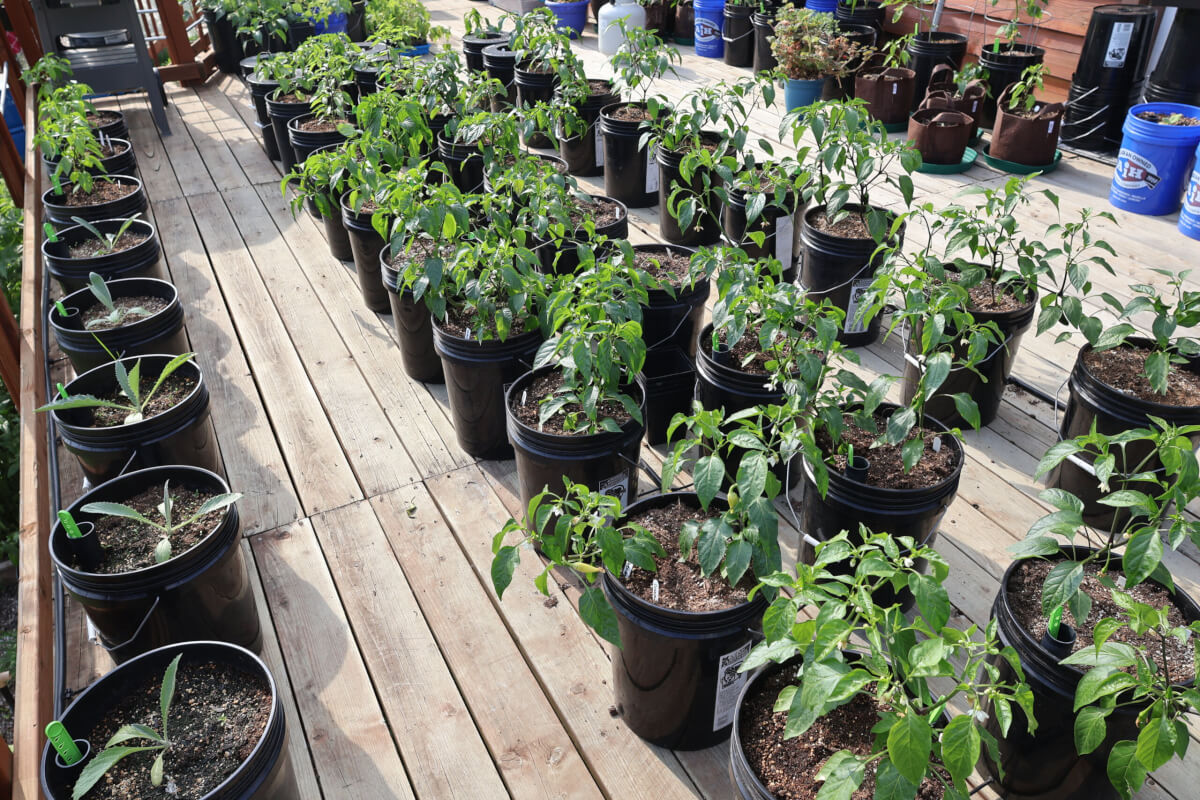
When you make concessions on cost or design of the container garden, it can erode your trust in the method and reduce your satisfaction with the solution.
High quality equipment will last longer. Cheap stuff will break down and have you spending time fixing things.
Gardening, by its nature, features periods of investment. Whether that’s building a garden, building raised beds or building a container garden. Invest wisely.
Have Spares & Keep It Well Maintained
One of the perspectives we have after operating container gardens for decades is the “long term” outlook.
Even if you buy very high quality equipment, entropy is an unavoidable aspect of everything. Things will eventually break or need maintenance, especially over a long enough time frame.
Having spare equipment and the things you need to keep a container garden in top shape is a good idea. It sucks when small, stupid things derail your plans.
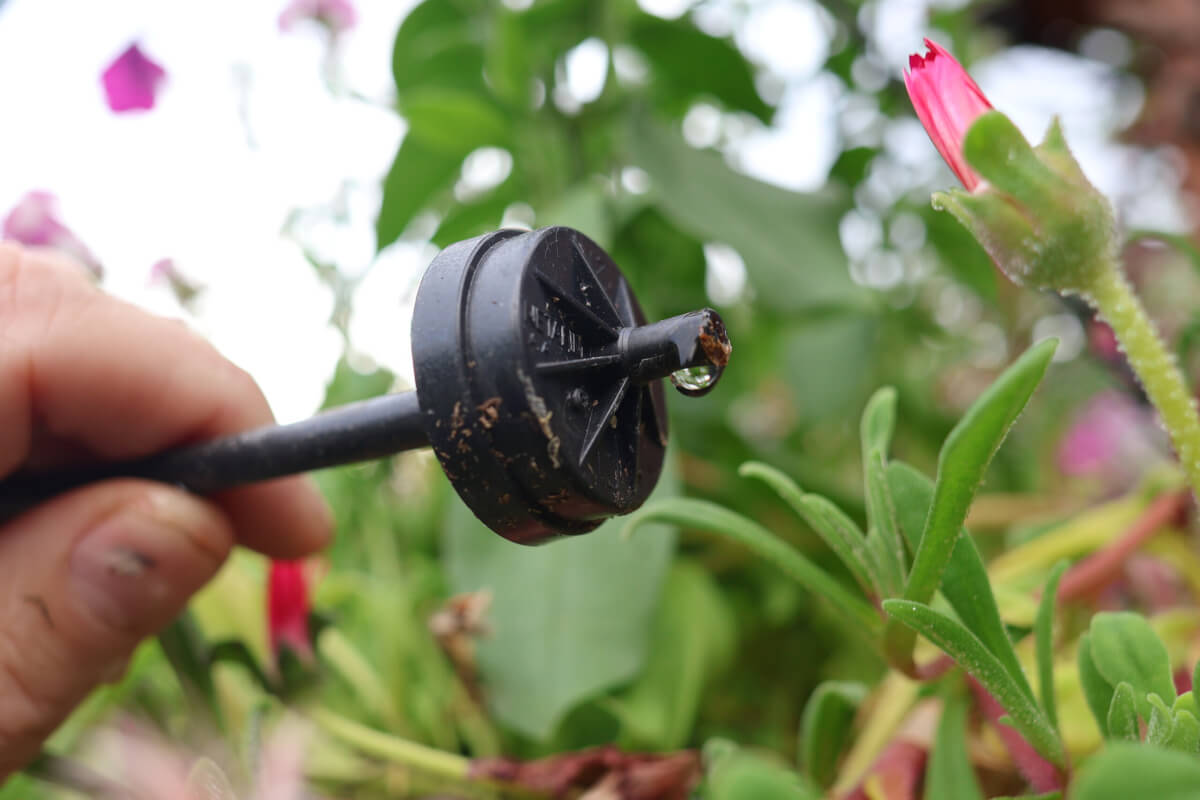
This is especially true for us northern growers. The harsh winters are not kind on equipment, often accelerating the inevitable destruction of things.
We try to maintain spare gear of those things necessary for the operation of our container gardens. This is also true of supporting systems, like irrigation parts and other things.
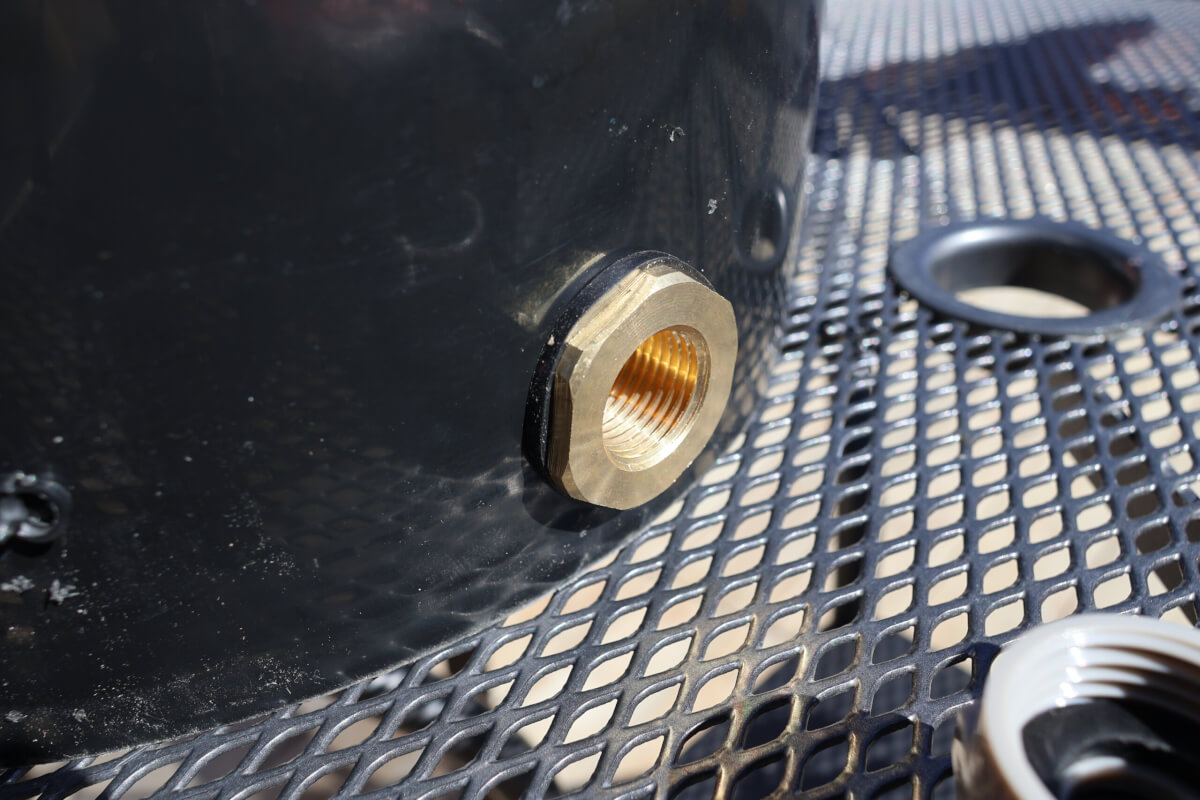
When things break on us, it’s not a disaster. We have what is needed to fix the problem and keep things working how we need them to.
Lastly, clean your container garden gear! Gardening is a “dirty job,” but that’s not an excuse to keep things dirty. Cleaning your equipment can go a long way in extending the life of things and increasing the pleasure of using your gear.
That’s What We Have To Say About That!
Hopefully you enjoyed some of our insight into advanced container gardening methods and techniques.
We really tried to think of the most important things that impact the satisfaction and success of our container gardens.
It these things have been valuable for you or if you have any questions, feel free to put a comment down below! We love engaging with our readers!
That’s All We Wrote!

Having a good time? Learn something? We have an ever growing list of insightful and helpful subarctic & cold climate gardening articles, just like this one!
- Cold Climate Gardening Basics 👉
- Growing Your Garden From Seed Indoors 👉
- Advanced Cold Climate Gardening Techniques 👉
- Plant Specific Cold Climate Growing Guides 👉
- Subarctic Perennial Food Forests & Foraging 👉
- Indoor Garden Lighting & Grow Rooms 👉
- Greenhouses & Temperature Control 👉
- Harvesting & Food Preservation 👉
- Solving Cold Climate Garden Problems 👉
- 700+ 1 Minute Reads 👉
- 180+ Gardening Topics! 👉
FrostyGarden.com is 100% ad-free, junk free and we do not use affiliate links or sponsorships! This resource is voluntarily supported by our readers. (Like YOU!) If we provided you value, would you consider supporting our mission?
Great article! I would have loved if you included more of what you use, how you assembled the bucket irrigation system, what the round discs on the top of the buckets are, etc .. (sorry if you already explained all that in a different article!)
There are a lot of good points of what to consider with container gardening! We’ve done potatoes in the past, but have not been impressed with the yield. Tomatoes on the other hand love it. I’m planning to put peppers in buckets this year, so I can move them in and out spring/fall to hopefully prolong their growing season!
Thanks for the tips! We should probably get better at linking within our site, as we do discuss many of these things. The problem is we develop content at different times and while we do re-visit our “old” topics, even we struggle with knowing everything we’ve written. LOL!
Here’s a few things you might be interested in!
Our bucket irrigation build: https://frostygarden.com/topics/how-to-centrally-irrigate-your-grobucket-container-garden/
Detail on our sub-irrigation: https://frostygarden.com/topics/grobuckets-sub-irrigated-containers-off-grid-subarctic-gardening/
And there’s a bunch more, of course! We try to be a resource that you visit, but want to come back to eventually as you had a good experience. Plus, we have our blog, where you could get lost for hours! Thanks for the comment, hope that addresses some of what you wanted!
That is an excellent point!
Thank you so much for these links!!
guilty of getting lost for hours…. I read an article, find another article, go search for a topic in that article, find multiple others I want to read….
You guys are doing fantastic!
Side note: I was visiting one of my awesome gardening friends here, mentioned your website, and she said, “Oh yeah! I know that one. I use it a lot because they review specific varieties that work in our climate. They’re a great place to get info.” ☺️
Woah! Emoji alert….that should have been the lady raising her hand….no clue why it changed when I posted it! Also, I can’t edit it? Lol
Nice! We’re sometimes surprised how many folks know us these days. Thanks for the kind feedback.
(I also fixed the emoji thing for you. It’s probably because we’ve turned off the default emoji pack for performance reasons.)